Uncategorized

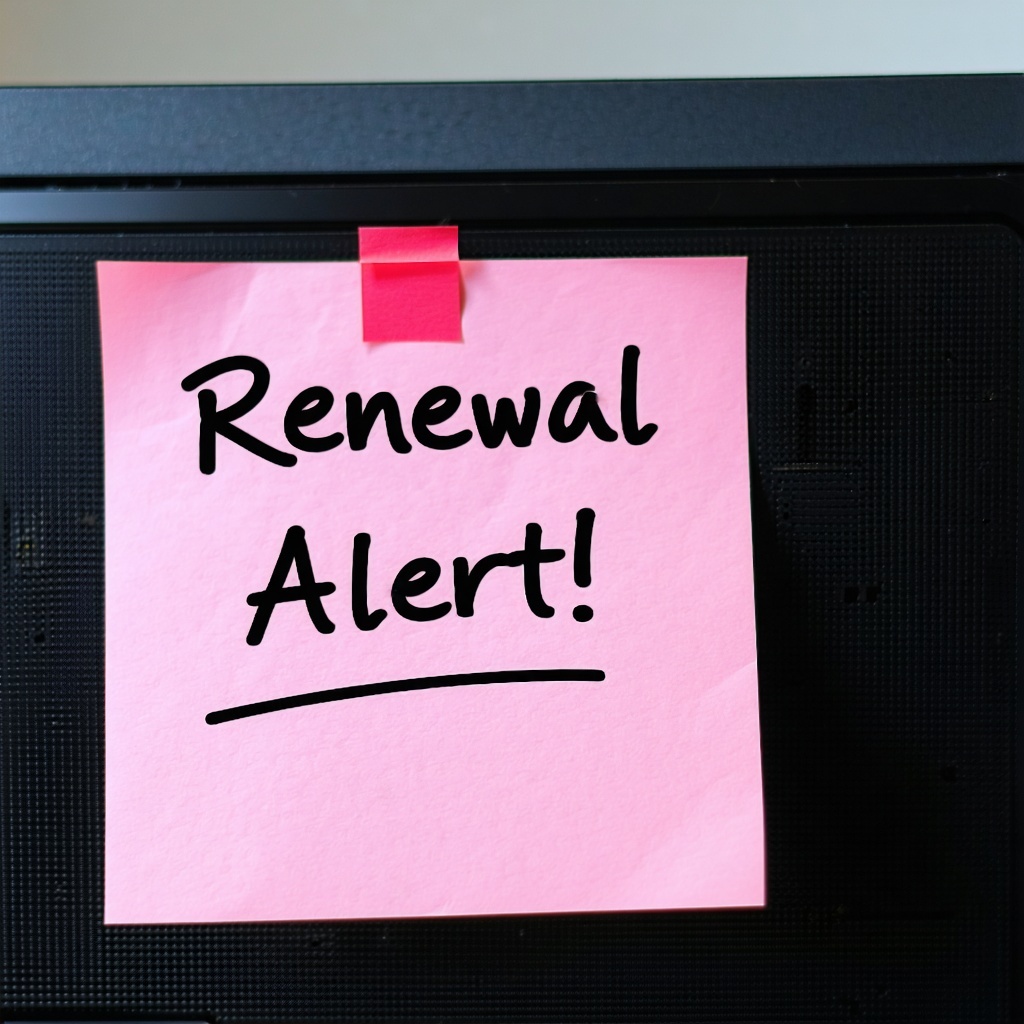
Potential Legal Aspects of Automatically Renewable Contracts

There’s a reason lawyers drive nice cars. It’s because contracts can be confusing and mistakes are expensive. One minute you’re reviewing next quarter’s IT budget, and the next, you’re staring at a vendor invoice for a tool no one uses…renewed for another 12 months. Suddenly, you have to pull in legal and procurement to combat a vendor who is insisting the language in the renewal speaks for itself. You’ve gotten yourself into a bad spot. 

If your team isn’t actively tracking contract terms, renewal dates, and cancellation windows, you’re not just wasting money, you could be walking into legal quicksand. Let’s break down some potential – and often hidden – dangers of automatic renewals and explore how BetterTracker can help you stay in control.  

Real-World Example: When Auto-Renewal Crosses the Legal Line 

Consider the case of Bloomberg vs. Bruce Ovitz, which shows how automatic renewals can land even big companies in legal hot water. Bloomberg had a data subscription contract with Ovitz that renewed automatically every two years. But when Ovitz tried to cancel after the deadline, Bloomberg claimed the contract had already renewed—locking him in for two additional years.  

Ovitz sued and under New York’s General Obligations Law, vendors must notify customers in writing about upcoming renewals at least 15 days before the cancellation deadline. Bloomberg failed to send that notice, and as a result, the court deemed the auto-renewal unenforceable. Bloomberg ultimately had to drop its claim for early termination fees.1 

The takeaway? State laws vary widely, and in places like New York, even B2B agreements can be voided if proper renewal notice isn’t given. In the end, staying on top of contract and subscription renewals needs to be a priority for any business. 

The Legal Landmines Lurking Around Automatic Contract Renewals 

1. You Might Be Locked In (Even If You Forgot to Agree) 
Many vendor contracts include automatic renewal clauses, which can quietly commit you to another year or longer, if you don’t cancel within a specific timeframe. Miss the deadline, and you’re stuck paying for services you may no longer want or need. 

2. Lack of Clarity = Legal Trouble 
A surprising number of SaaS and vendor agreements bury their renewal language deep in the fine print. Some don’t clearly state when or how you need to cancel. That lack of transparency can leave your business liable for fees or even legal fees, should you dispute a charge after the auto-renewal kicks in. Be sure to review all language carefully at the start of any contract period. Or, better yet, have a lawyer or contract expert do the review.  

3. Termination Procedures Are a Maze 
Have you ever tried to cancel a contract that requires 60 days’ notice… in writing… by registered mail… sent to a specific address listed on page 19 of an appendix? The point is, some companies don’t always make it easy to stop using their product and this ambiguity can create costly confusion and drawn-out legal disputes. 

4. Misunderstandings Can Land You in the Courtroom 
Disputes over what was “reasonably communicated” or “properly terminated” are common in renewal cases. If your team isn’t tracking contracts and their terms carefully, a simple mistake could escalate into a complex legal conflict. And when lawyers get involved, the cost isn’t just their billable hours, it’s also lost time, added stress, and plenty of frustration.  

You Don’t Need a Better Lawyer, You Need a BetterTracker 

BetterTracker helps companies take control of their SaaS spend management, contracts, subscription renewals, and vendor agreements – all in one centralized platform. No more missed dates. No more ambiguous contract terms. No more surprise renewals. 

By using BetterTracker, you can: 

Uncategorized

What to Watch During M&A: The Hidden Cost of Overlapping Contracts and SaaS Tools

“After the acquisition, we discovered we had three project management tools. And no one wanted to give theirs up.” 

That came from an ops manager at a 120-person company that merged with a competitor last year. And it’s not uncommon. M&A activity is notorious for creating tech stack chaos—multiple tools doing the same job, nobody sure who owns which contract, and auto-renewals quietly draining budgets in the background. 

Software overlap is just one piece of it. The real danger is in the fine print—renewal clauses, duplicate licenses, usage limits, and the lack of a shared system to manage it all. 

Mergers and Acquisitions: A Prime Time for Waste 

According to Zylo’s 2023 SaaS Management Index, the average company wastes around $17 million per year on unused software licenses. That number may skew large-enterprise, but the principle holds at any size: the more companies you combine, the more money leaks through the cracks—especially if no one’s watching the contract stack. 

We’ve seen mid-sized businesses spend tens of thousands a year on duplicate software during post-acquisition chaos. Why? Because: 

Uncategorized

How to Stay Compliant with Your SaaS Contracts (Without the Headaches)

Our head of IT once said: 

“I don’t lose sleep over cybersecurity breaches—I lose sleep over missing a license renewal buried in a PDF from two years ago.” 

That’s the reality for most small and midsize businesses trying to stay compliant with their growing list of software tools. You’re not just juggling costs anymore—you’re juggling contracts, terms of use, auto-renewals, and audit requirements. It’s easy to miss something. And when you do, vendors aren’t always forgiving. 

If you’re still managing all this in spreadsheets, post-it notes, or scattered inboxes, you’re not alone—but it’s not sustainable. Here’s how to stay compliant with your SaaS contracts without the stress, missed deadlines, or last-minute panic. 

Why SaaS Contract Compliance Actually Matters 

When most people hear “compliance,” they think about government regulations. But in SaaS, compliance often means following the rules you agreed to in your vendor contracts: 

Uncategorized

The Mid-Year Renewal Trap: How to Stop Getting Caught Off Guard

Janine, an office manager at a growing marketing agency, once shared over coffee, “I’m sure we paid for that project management tool twice this year. It just kept renewing!” She wasn’t alone. A survey of 100 small business owners found 42% admitted they lost track of a SaaS renewal in the past year—and it cost them. 

Renewals aren’t always as predictable as the calendar suggests. Many vendors set odd renewal cycles—mid-year, quarterly, or even based on the date you first signed. That means your team could get blindsided when a big contract auto-renews, draining your budget or tying you to a service you no longer use. 

Let’s cut through the noise and get practical. Here’s how to build a bulletproof system for renewals—without fancy tools or a steep learning curve. 

Step 1: Build a Simple Renewal Calendar 

You don’t need a big system to start. A spreadsheet will do, or a shared Google Calendar. The key is to list every contract, subscription, and license in one place-along with the exact renewal date, not just “Q2” or “July-ish.” 

One ops leader once joked, “Our renewal dates were like a family secret-only our finance director knew them, and she left in April!” Avoid that mess by giving everyone access. 

Add these columns to your calendar: 

Uncategorized

Six Fixable Contract Mistakes Small Businesses Make

In 2021, a small marketing agency unknowingly paid $1,200 a month for a software platform they hadn’t used in over a year. It all stemmed from a sneaky auto-renewal clause buried in their original contract. With no system in place to track it, the wasted dollars kept adding up. By the time they caught it, the company was out nearly $15,000. Sound familiar? Executive research and advisory firm Gartner, estimates that 30% of SaaS spend goes toward unused licenses and features.

Contract mistakes like this are more common than most business owners would like to admit—and they’re not just expensive, they’re avoidable. Whether you’re juggling software subscriptions, vendor agreements, or service contracts, overlooking the details can quietly disintegrate your bottom line. 

Here are six of the most common (and fixable) contract mistakes small businesses make—and how to avoid them. 

1. Letting Auto-Renewals Run the Show 

Many contracts include auto-renew clauses that quietly roll agreements into a new term unless canceled in advance—sometimes with as little as 30 days’ notice. If you’re not tracking those dates, you’re locked in whether you like it or not. 

Fix it: You need a contract management platform that provides you with reminders well in advance of the expiration or renewal dates so you have time to opt out or renegotiate.  

2. Not Reading the Fine Print (All of It) 

Reviewing contracts can be an arduous process. Contracts are often long, and legalese is painful. But skipping the details can mean missing hidden fees, restrictive clauses, or renewal traps. 

Fix it: Always read the full agreement. Better yet, have a legal advisor review and high-stakes contracts. Be sure to carefully input the data into your contract management software to stay a step ahead throughout the term of the contract.  

3. Failing to Negotiate Terms 

Too many small businesses accept vendor terms at face value. However, many clauses—like payment terms, service level agreements, or early termination fees—are negotiable.  

Fix it: Make sure you have the right contract management system in place so you can set reminders that allow you enough time before renewal dates to renegotiate the contract. Then, be sure to ask questions, push back, and don’t assume the first draft is final. 

4. Storing Contracts in 17 Different Places 

One contract in your inbox. Another is on a former employee’s desktop. A third? Who knows. Scattered storage leads to missed deadlines and SaaS overspending,  

Fix it: Centralize all contracts in a single location that’s searchable, secure, and easy to manage. 

5. Failing to Properly Train Your Team on the System, Process, and Responsibilities 

Without a proper people, process and platform in place to manage your contracts, subscriptions, and spend, chaos ensues.  

Fix it: Empower your team! Make sure every applicable team member has proper access to your contract management platform and is well trained. They should understand their responsibilities in the contract process and know the importance of compliance and precise documentation. 

6. Not Using the Right Contract Management Platform 

This one is a game-changer. Many small businesses are still tracking contracts with spreadsheets, email folders, or nothing at all. It is a recipe for missed renewals, SaaS overspend, and compliance risk. 

Fix it: Use a contract management platform that’s built for your industry. BetterTracker helps you centralize all your contracts, track renewals in real-time, eliminate waste, and gain full visibility into your commitments. With BetterTracker, small businesses can finally manage contracts with the clarity, confidence, and control they’ve been missing. 

Contract mistakes aren’t just paperwork problems, they’re profit problems. Thankfully, these common mistakes, and plenty of others, are fixable. With the right tools and a little strategy, you can get ahead of the fine print and stop losing money to missed dates, forgotten clauses, and outdated systems. 

Take control of your contracts. Explore BetterTracker today and see how much smoother your business can run. See for yourself by scheduling a free demonstration.  

Uncategorized

How SMBs Can Build a Scalable Vendor Management Process—Without Adding Headcount

In today’s climate, small and midsized businesses are under more pressure than ever to operate efficiently. Budgets are tight. Teams are lean. And yet the demands on IT, Finance, and Operations continue to grow—especially when it comes to managing the expanding web of vendors, contracts, and subscriptions that keep the business running. 

The challenge? Most vendor management processes weren’t designed to scale. And without the budget to hire more staff, many teams are stuck managing a growing list of tools using outdated methods like spreadsheets, calendar reminders, and email threads. 

Here’s the good news: With the right systems in place, it’s entirely possible to scale vendor oversight without adding headcount. 

Signs Your Current Process Isn’t Built to Scale 

You might be operating just fine right now—but cracks begin to show as your vendor footprint grows. Here are a few red flags that your process is falling behind: 

Uncategorized

What’s the Best Way for Small Businesses to Track SaaS Renewals?

If you’re a small or midsized business juggling multiple software subscriptions, staying on top of renewal dates is a growing challenge. Missed renewals lead to surprise charges, unused tools, and budget headaches.

Here’s a simple system to track SaaS renewals effectively:

1. Centralize Your Contracts

Store all vendor contracts, terms, and billing cycles in one place. Avoid scattered PDFs, emails, or spreadsheets.

2. Set Automated Alerts

Use a tool that sends alerts 30–60 days before renewal. Relying on calendar reminders or your inbox isn’t sustainable.

3. Assign Ownership

Make sure each subscription has a clear owner in your organization. This ensures someone is accountable for reviewing usage and deciding whether to renew.

4. Review Usage Monthly

Track logins or license usage. Cancel tools that go unused or consolidate overlapping software.

5. Use a Contract Management Tool

Solutions like BetterTracker were built for SMBs. They let you visualize spend, set renewal workflows, and get visibility across departments — without adding more admin work.

Uncategorized

The Hidden Costs of SaaS Sprawl: Why SMBs Are Paying for Tools They Don’t Use

If you’re like most growing businesses, your team is relying on more tools than ever to operate efficiently: project management software, chat platforms, CRMs, accounting systems, and dozens of other cloud-based solutions. It’s the modern way to work. 

But here’s the problem: As your tech stack grows, so does your risk of SaaS sprawl. The unchecked expansion of apps, vendors, and subscriptions across your business. And it’s costing you more than you think. 

What is SaaS Sprawl? 

SaaS sprawl happens when departments or individuals sign up for tools without centralized oversight or a clear process for approval, renewal, or offboarding. Over time, you end up with: 

Uncategorized

Businesses Are Rethinking How They Manage IT Contracts and SaaS Spend – and here’s why…

Spreadsheets, calendar reminders, and scattered email threads aren’t built to handle the pace of modern IT and subscription management. Yet that’s still how many small and midsized businesses (SMBs) are managing renewals, vendor contracts, and SaaS spend.

And it’s costing them—more than they realize.

If you’ve ever been surprised by an auto-renewal, lost track of contract terms, or struggled to answer “What are we actually using and paying for?”—you’re not alone.

In our latest resource, The SMB Guide to Managing Contracts, Renewals, and SaaS Spend, we break down the biggest challenges SMBs face and how to solve them.

Inside the guide, you’ll learn:

Scroll to Top